
Owner Education / First-Time Landlords
What First-Time Landlords Overlook When Renting Out an Oʻahu Home
Rent of $3,000 against a $2,700 mortgage looks like a cushion. Here’s what tends to eat it, and how much to set aside before your first tenant moves in.


Say you’re moving off-island, or into a bigger place across town, and you decide to keep your Oʻahu home and rent it out. You run the numbers on the back of an envelope. Rent should be around $3,000. The mortgage is $2,700. That leaves $300 a month, and the house keeps building equity while someone else covers the payment.
Redfin recently asked me what costs first-time landlords overlook, and that envelope is where my answer started. It ran in their guide, How to Rent Out Your House | Redfin, Powered by Rocket, and the first line was this:
Featured in Redfin, Powered by Rocket
“First time landlords often over-estimate the amount of rent they will receive and under-estimate the amount of time it will take to start earning income from rent payments.”
Both halves of that sentence land on the same $300. If the rent comes in lower than you hoped, the cushion shrinks. If the house sits empty for a few weeks, or the first payout takes longer than you expected, the mortgage still comes due and comes out of your pocket. Then there are the costs that never made it onto the envelope: Hawaii’s general excise tax on rent, a change in your property tax, a different insurance policy, and the repair a new tenant finds in the first week.
None of that makes renting your home a bad idea. It means the plan should start from the realistic case rather than the best one. My rule of thumb is to have at least two months of mortgage payments set aside before you convert a home to a rental, and to expect at least one repair you didn’t see coming. The rest of this article is about where those two numbers come from.
The envelope math
$3,000Expected monthly rent
−$2,700Mortgage payment
=$300Apparent monthly cushion
Two months with no rent$5,400
That’s eighteen months of the $300 cushion. Each block is one month.
GET, if $3,000 is everything you collect$135 a month
Some leases add GET on top of the rent instead.
Still to budget for
- Property tax
- Insurance
- Income tax
- Management
- Owner’s reserve
- Repairs
These depend on your home, your policy and your agreement, so no amounts are shown.
An illustration of the example in this article, not a projection for any home.
Start with the rent the market will pay
The asking rent is the first number owners get wrong, and it’s easy to see why. You know your home. You remember what you paid, what you’ve put into it and what a neighbor said they got for theirs. A tenant scrolling listings sees none of that. They see your price next to every other home available that week.
This is how Redfin quoted the next part of my answer:
“The reality is, especially in today’s competitive rental market, some markets are seeing compression on rents which can translate to either a rental property sitting longer than a first-time landlord may expect, or requiring them to reduce their marketed rent amount to induce a tenant.”
An optimistic price can cost you twice. The home sits while the mortgage is paid from savings, and then the rent comes down anyway. So start from comparable rentals near you rather than from what the home means to you, and decide before you list how long you’ll wait before adjusting the price. A rental analysis is a good place to start. It also helps to remember that once a tenant signs, that rent generally holds for the lease term, and raising it later follows Hawaii’s notice rules, which our rent increase guide explains.
The weeks between listing and move-in
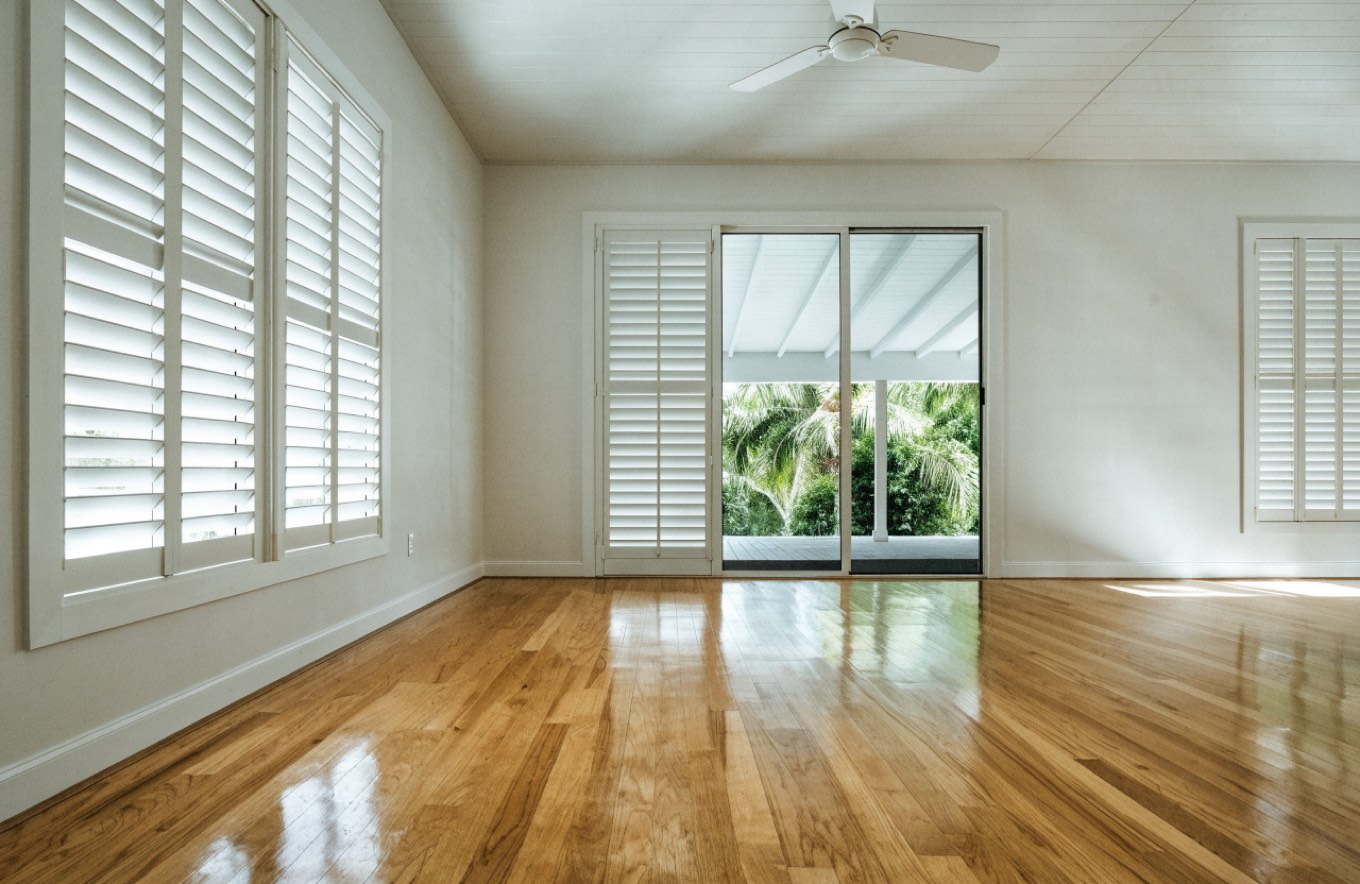
Now run the envelope again with an empty month in it. If it takes a month to get the home ready, list it, show it, screen applicants and sign a lease, that’s $2,700 paid with no rent coming in. Two months is $5,400, which is eighteen months of that $300 cushion.
Each of those steps can slip, and none of the reasons is unusual. A contractor finishes the make-ready a week late. The strongest applicant doesn’t qualify. The tenant you choose has to give notice on their current place, so the move-in date lands weeks after the lease is signed. A first-time landlord tends to picture the day the listing goes live as the day the rent starts. In practice there’s a stretch in between, and the mortgage doesn’t pause for it.
Why the first payout comes later than you think
Even after a tenant moves in, the first rent doesn’t simply land in your account on move-in day. When a property manager collects rent, it typically goes into the manager’s client trust account first, the month’s bills and fees are paid from it, and what remains is sent to you on the manager’s regular schedule. At HiCoastal, that’s a monthly cycle, and each payout comes with an owner statement showing what came in and what went out. In my original answer to Redfin, I described this as under-estimating “the amount of time it will take to receive their first distribution.”
The security deposit doesn’t fill the gap. Hawaii caps it at one month’s rent, and it’s the tenant’s money, held against the lease. Within 14 days after the rental agreement ends, the landlord has to return it, less any lawful deductions, and give the tenant written notice of anything kept and why. You can’t spend it on the mortgage while you wait for the first distribution.
In the longer answer I sent Redfin, I put a number on all of this:
“Wise landlords should plan for at least 2 months of mortgage payments when converting a home to a rental before receiving a distribution from the property being rented. Best case will obviously be better, but realistically, it’s better to plan for the worst case.”

What the $300 has to cover
The envelope also leaves out costs that start once the home is rented. Not all of them apply to every owner, but each one deserves its own line in the budget before you decide the numbers work.
- General excise tax (GET)
- Renting out residential property in Hawaii is a taxable business activity. On Oʻahu, GET is 4% plus a 0.5% county surcharge on gross rent, and repairs, interest, management fees, utilities, property tax and insurance can’t be deducted from it. If $3,000 is everything you collect, that’s $135 a month. Some leases add GET on top of the rent instead; because the added amount is taxed too, the most that can be visibly passed on in Honolulu is 4.712%. If we manage your home, our current long-term management agreement makes us your GET agent: we collect, file and pay it on the rent we receive and show it on your owner statement. Our GET filing guide covers the returns.
- Property tax
- If you move out and rent the entire home, it no longer qualifies for the home exemption. The City asks you to notify its Real Property Assessment Division within 30 days of renting, or by November 1 of that year at the latest. Our Honolulu property tax guide explains what can change.
- Insurance
- A policy written for an owner who lives in the home may need to become a landlord or rental dwelling policy. Ask your carrier before the tenant moves in.
- Income tax
- Rental income is also subject to Hawaii income tax. How expenses and depreciation apply to your situation is a question for your CPA.
- Management
- If you hire a manager, its fees come out of the rent. Ask for the full fee schedule before you sign, and see our pricing for how ours works.
- Owner’s reserve
- Many management agreements, ours included, set a minimum balance the owner keeps on deposit for repairs, and it may be due before the home is listed. The amount is in your agreement.
- Repairs
- Budget for them separately from the mortgage reserve. The next section explains why.
The repair nobody found during make-ready
The last overlooked cost is the one that surprises owners most, because it usually arrives just as everything else seems settled. Before a home is rented, it goes through a make-ready: cleaning, repairs and a walk-through to find what needs fixing. Ideally, that’s where every issue turns up.
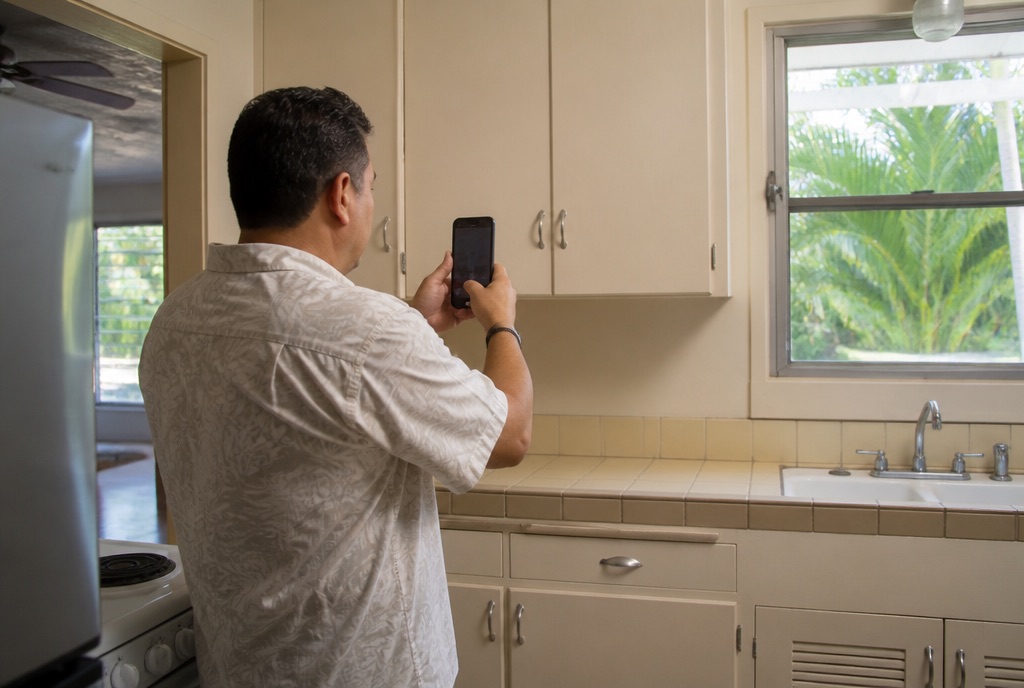
A tenant living in the house every day will still find things a walk-through misses. Think of a sink that drains slowly once it’s in daily use, a sliding door that sticks, or a breaker that trips when two appliances run at once. As I wrote to Redfin, depending on the home’s age and condition, “maintenance issues often arise during a new tenant’s first few days, despite the property manager’s best efforts.” Combine that with a slower lease-up, and a new landlord can be paying a repair bill before the first distribution has arrived. That combination is what frustrates people.
The fix is mostly about expectations. Keep a repair cushion apart from your mortgage reserve, so one doesn’t drain the other. Walk the home the way a tenant would before it’s listed, and use every faucet, door and outlet rather than just looking at them. If you use a manager, read the approval threshold in your management agreement, the amount above which a repair normally comes to you first, and check what it says about emergencies, so a call in the first week doesn’t catch you off guard.
Where a property manager fits
A manager won’t make the realistic case go away. What a good one does is plan for it with you before the home is listed, so the two of you are working from the same numbers. Here’s how my original answer to Redfin ended: being mindful of the slower lease-up and the early repair “definitely helps set a new landlord’s expectations and keeps the property manager and the landlord (homeowner) on the same page.”
At HiCoastal, that starts with a rental analysis based on comparable rentals, and a make-ready meant to catch problems before a tenant does. After move-in, tenants submit maintenance requests online with photos, we send vetted vendors, and you can see work orders and statements in your owner portal. Outside of emergencies, a repair above the approval threshold in your management agreement comes to you before the work starts. Move-in, routine and move-out inspections give you a dated photographic record of the home’s condition.
If you’ll be living on the mainland or on another island, there’s one more requirement. Hawaii law says the written rental agreement must name an agent who lives on the same island as the home. Our mainland owner’s guide covers the rest of renting from a distance, and our Owner FAQs answer the questions we hear most.
So go back to the envelope and write it again. Put the rent where comparable homes nearby are priced. Add a month or two with no rent, GET on every dollar collected, the property tax and insurance changes, and a line for the repair you haven’t found yet. Set aside two months of mortgage payments before you count on a distribution. If the plan still works on that version, you’re ready to rent, and the first few months will feel like the plan rather than a surprise.
Common questions
How much should I set aside before renting out my home?
My planning number is at least two months of mortgage payments before you expect your first distribution, plus a separate cushion for repairs, because a new tenant often finds something in the first weeks. Your own number depends on the home’s age and condition and how quickly it leases.
Can the security deposit cover my mortgage until rent starts?
No. Hawaii caps the security deposit at one month’s rent, and it belongs to the tenant. Within 14 days after the rental agreement ends, it has to be returned, less any lawful deductions, with written notice of anything kept. Our security deposit guide walks through the rules.
About the author
Run the realistic numbers with us
Before you list, we’ll look at comparable rentals near your home and walk through the costs above with you, so your plan starts from the realistic case. If you’re weighing whether to rent out your Oʻahu home, request a rental analysis or call us at (808) 427-7778.
Sources
- How to Rent Out Your House | Redfin, Powered by Rocket, by Kaitlyn Neitman, October 20, 2026
- Hawaii Department of Taxation, An Introduction to Renting Residential Real Property
- Hawaii Department of Taxation, County Surcharge on General Excise and Use Tax and Tax Announcement 2006-15 on visible pass-on
- City and County of Honolulu Real Property Assessment Division, Frequently Asked Questions and Exemption FAQ
- HRS §521-44, Security deposits
- HRS §521-43, Rental agreement, disclosure
This article is general information for Oʻahu property owners. It isn’t legal, tax or insurance advice, and it doesn’t promise any rent, vacancy period or result. Confirm your situation with a Hawaii attorney, a CPA or your insurance carrier.


