
Owner Education / Landlord Law
Hawaii Security Deposit Law: The 14-Day Rule Every Honolulu Landlord Must Know
The one-month cap, the separate pet deposit, and the 14-day return deadline that forfeits the entire deposit when you miss it.
Key Takeaways
- The security deposit is capped at one month's rent. You can add a separate pet deposit of up to one more month's rent, but never for a tenant without a pet and never for an assistance animal.
- You have 14 days after the tenancy ends to return the deposit or mail an itemized statement backed by invoices. Miss the deadline and you forfeit the entire deposit, even for real damage.
- Retain a deposit wrongfully and willfully and a court can award the tenant three times the amount.
- When a property sells, the deposit obligation transfers with it, and the new owner has to notify each tenant within 20 days.
Short answer: Under HRS 521-44, a Hawaii landlord can collect a security deposit of no more than one month's rent, plus a separate pet deposit of up to one additional month's rent (never for assistance animals). At move-out, you have 14 days to return the deposit or send a written itemized statement with supporting estimates or invoices. Miss the deadline and you forfeit the right to keep any of it. Keep it wrongfully and willfully, and a court can award the tenant three times the amount.
The 14-day rule is where Honolulu landlords lose money, and it's almost always a process failure rather than a dispute about damage. Hawaii's Residential Landlord-Tenant Code (HRS Chapter 521) is stricter and faster than most mainland owners expect. Here's what the statute actually requires, and where the traps are.
At Move-In
How much can you collect at move-in?
One month's rent. That's the ceiling on the security deposit, and the statute is explicit that at the start of a tenancy you may not collect anything beyond the first month's rent and the deposit. No last month's rent up front. No "move-in fee" that functions as extra deposit.
There's one exception: pets. You may collect an additional pet deposit of up to one month's rent, agreed with the tenant, to cover pet damage. Two things about it:
- It only applies if the tenant actually has a pet.
- It can never be charged for an assistance animal that's a reasonable accommodation for a tenant with a disability. Charging a deposit for a service or emotional support animal is a fair housing problem, not just a landlord-tenant one.
Hawaii doesn't require you to hold the deposit in a separate account or pay interest on it. It does require you to treat it as the tenant's money held in trust, which is exactly how a licensed brokerage must account for it.

Permitted Uses
What can the deposit be used for?
HRS 521-44 lists five permitted uses, and only these five:
Tenant defaults: damage beyond normal wear and tear, unpaid rent, or failure to return keys, fobs, parking cards, garage openers, and mailbox keys.
Cleaning the unit back to the condition it was in at move-in.
Damages when a tenant wrongfully quits the unit.
Damage caused by a permitted pet.
Unpaid utility charges the landlord provided but didn't include in rent.
Normal wear and tear isn't on the list. Faded paint, worn carpet in traffic paths, and small nail holes come out of your pocket, not the deposit. The deposit also isn't the tenant's last month of rent, and a tenant who tries to "live out" the deposit is in default.
The 14-Day Rule
The 14-day return rule, in detail
The clock starts when the rental agreement terminates, and the consequences run one direction.
Return window
Miss the deadline
Wrongful + willful
Tenant's filing window
Within 14 days you must either return the full deposit or deliver written notice of what you're keeping and why, with an itemized accounting supported by estimates, invoices, or receipts for the repairs and cleaning. Mailing to the tenant's provided address, postmarked before midnight on day 14, satisfies the statute.
- Miss the deadline or skip the itemization: you forfeit the right to withhold anything, even for legitimate damage.
- Wrongful and willful retention: the court may award the tenant three times the amount in dispute.
- Disputes go to small claims court, where attorneys generally may not represent either side, and tenants have one year after termination to file.
One carve-out
If the tenant is absent for 20 or more continuous days without written notice and without paying rent, the law treats it as wrongfully quitting, and the landlord may retain the deposit without the usual documentation.
"Owners rarely lose deposit disputes on the facts. They lose on paperwork and timing."
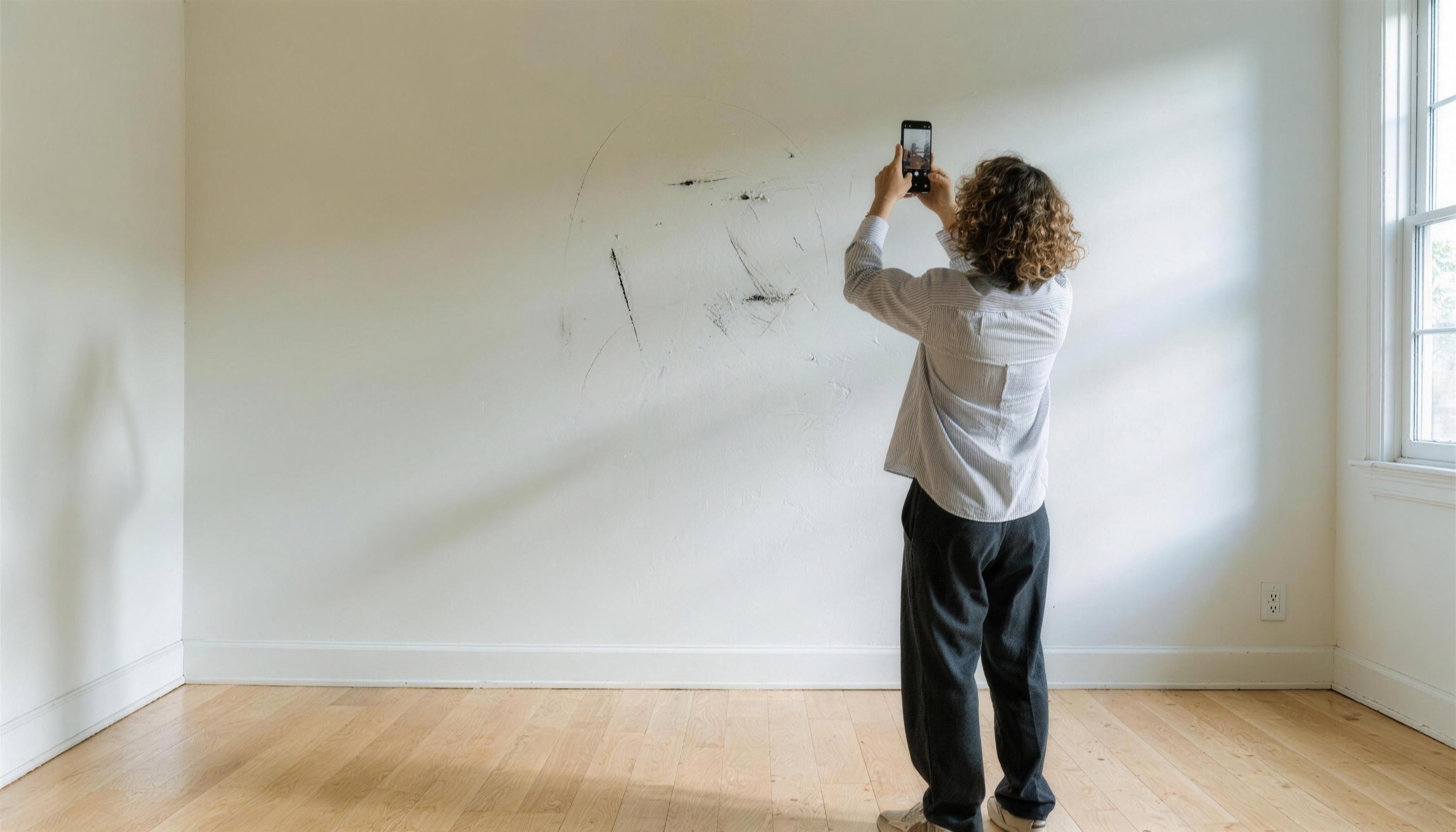
Practical implication: your move-out process needs to produce, within two weeks, a documented condition comparison, vendor estimates, and a mailed statement. If your inspection photos and move-in checklist don't exist, you'll lose the argument even when you're right about the damage.
When A Property Sells
What happens to deposits when a property sells?
The deposit obligation follows the property. A selling owner must account for all deposits to the buyer at or before transfer, and the new owner must notify each tenant in writing within 20 days of the amount credited to them. If you're buying a tenant-occupied Oahu property, verify the deposits actually transferred. If they didn't, the law presumes you owe the tenant a deposit anyway. This comes up constantly in condo sales, and it's the kind of detail we flag for owners renting out a Hawaii home from the mainland.

Quick Answers
Frequently asked questions
What's the maximum security deposit in Hawaii?
One month's rent, plus a separate pet deposit of up to one additional month's rent for tenants with pets.
How long does a Hawaii landlord have to return a deposit?
14 days from termination of the rental agreement, including any itemized statement and supporting documentation for deductions.
Can I charge a pet deposit for a service animal?
No. Assistance animals that are reasonable accommodations under fair housing law are exempt from pet deposits.
What if the landlord misses the 14-day deadline?
The landlord forfeits the right to retain any portion of the deposit, and wrongful, willful retention can be penalized at three times the amount.
Can the tenant use the deposit as last month's rent?
No. The deposit isn't prepaid rent, and a tenant who withholds final rent against it is in default.
How Hawaii Coastal Property Management fits in
Deposit handling is one of the clearest arguments for professional management. As a licensed Hawaii brokerage, we hold deposits in a client trust account, document condition with move-in and move-out inspections, and run the 14-day statement process on a calendar, not from memory. Owners who self-manage rarely lose deposit disputes because of the facts. They lose on paperwork and timing.
If you'd rather never think about HRS 521-44 again, see what full-service management costs or get in touch.
Island roots, mainland precision.
This article is general information, not legal advice. For a specific dispute, consult a Hawaii landlord-tenant attorney.


