

Owner Education / Selling a Rental
Selling Your Oʻahu Rental With a Tenant in Place
Selling doesn't end the lease. What your buyer takes over, what it takes to get the house empty, and how showings work.
Here's a made-up example. Say you own a three-bedroom house on Oʻahu that you've rented out for the better part of a decade. The tenant pays on time, and you've just decided you're done. Maybe you're retiring to the mainland. Maybe you'd rather have the equity than the repair calls. You've probably pictured a neat order: the tenant moves out, the house gets cleaned up and listed, and that's the end of being a landlord.
Hawaii law doesn't follow that order. Selling the house doesn't end the tenancy. When the sale closes, your buyer becomes your tenant's new landlord, under the same lease. So yes, you can sell a rental with someone living in it. What you can't do is use the sale itself to move the tenant out. The real decision is which sale you're making: a house with a tenant who stays, or a house you've emptied first, on the tenancy's timetable rather than yours.
Your buyer inherits the lease
Under HRS 521-45, the new owner who buys a rented home "is liable under the rental agreement" and under the code itself. The state's landlord-tenant handbook puts it plainly: if the unit is sold during the lease, the new owner and the tenant are both bound by it.
Your buyer takes over the lease as written: the rent, the end date, the dog you said yes to three years ago. That has a consequence that's easy to miss: a decision you make this month can bind somebody you haven't met. Sign a fresh one-year lease in March, sell in June, and your buyer owns that lease until next March.
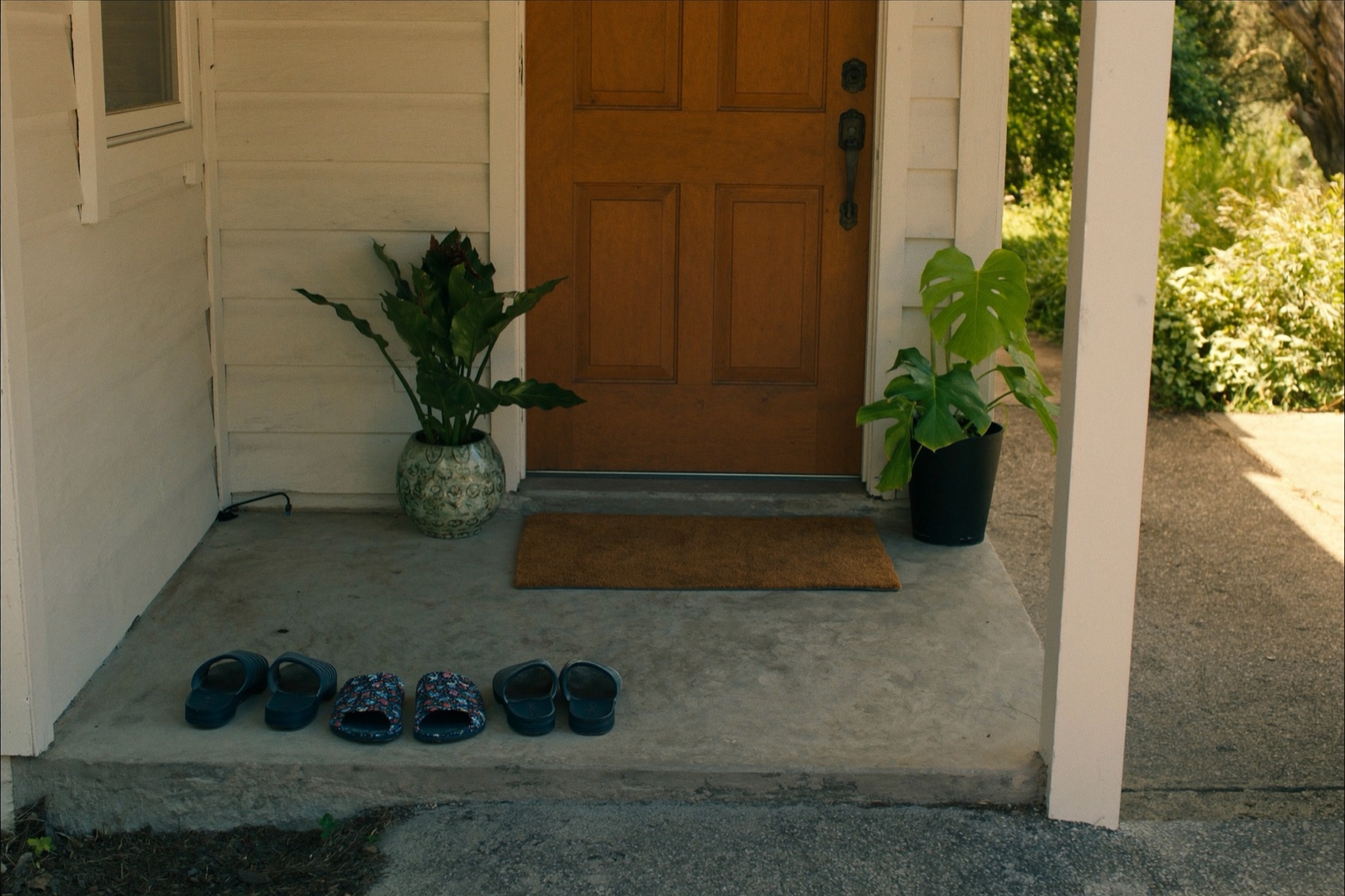
We saw a version of this recently. We were getting ready to list a home for a new tenant when the owner asked us to hold off because they were thinking about selling, so I told our team to pause the rental listing. The timing mattered: a new lease signed then would have gone to any buyer along with the house.
Can you get the house empty first?
That depends on the kind of tenancy you have, so pull out the lease before you call a listing agent.
A fixed-term lease, say twelve months, ends on the date written in it. The flip side is that selling gives you no way to end it sooner, unless the lease itself has an early-termination clause. The lease form we use has no such clause for a sale, but check yours. Hawaii's 45-day notice is written for month-to-month tenancies only (HRS 521-71), so it doesn't touch a lease with months left to run. You can sell with the tenant there, wait for the end date, or agree with your tenant on an earlier move-out. If timing matters, consider offering help with moving costs. Whatever you agree, put it in writing and have both of you sign. Also check what happens when the term ends. The standard Hawaii REALTORS® rental agreement has an optional box that turns a fixed term into month to month unless one side gives the other written notice at least 30 days before the end date. If that box is checked and you want the house back, make sure your tenant receives your written notice at least 30 days before the end date, or you're on the month-to-month clock.
Month to month is simpler. You end it with written notice at least 45 days before the date you want it to end. Once you've given that notice, your tenant can leave earlier, any time in those last 45 days, as long as they tell you the date and pay rent prorated to it.
One caution. If your tenant has asked in good faith for repairs, or complained in good faith, to you or to a government agency, about conditions that break health rules or the landlord-tenant code, Hawaii's anti-retaliation rule (HRS 521-74) can stop you from ending the tenancy for as long as they keep paying rent. The statute sets no other time limit. There are exceptions, including a 45-day notice ending a month-to-month tenancy that you gave before the complaint or request, or a good-faith sale contract in which the buyer says they'll move in or substantially remodel. If so, talk to an attorney before serving notice.
You may have heard that selling requires 120 days' notice. It doesn't. That longer notice covers demolition, conversion to a condominium and one specific change of use. A sale isn't on the list.
Where owners get caught is timing. Forty-five days sounds like plenty until you set it next to a closing date. The advice I give owners is to work backward: pick the date you need the house empty, count back, and serve the notice as soon as you've made the decision. The notice period won't shrink to fit an escrow schedule.
Showing a house someone lives in
If you sell with the tenant there, buyers will be walking through somebody's living room, and the law expects that. Showing the home to prospective buyers is one of the reasons a landlord may enter under HRS 521-53, and your tenant can't unreasonably refuse. Your side is to give at least two days' notice (unless it's an emergency or that's impracticable), come only at reasonable hours, and never use access to harass.
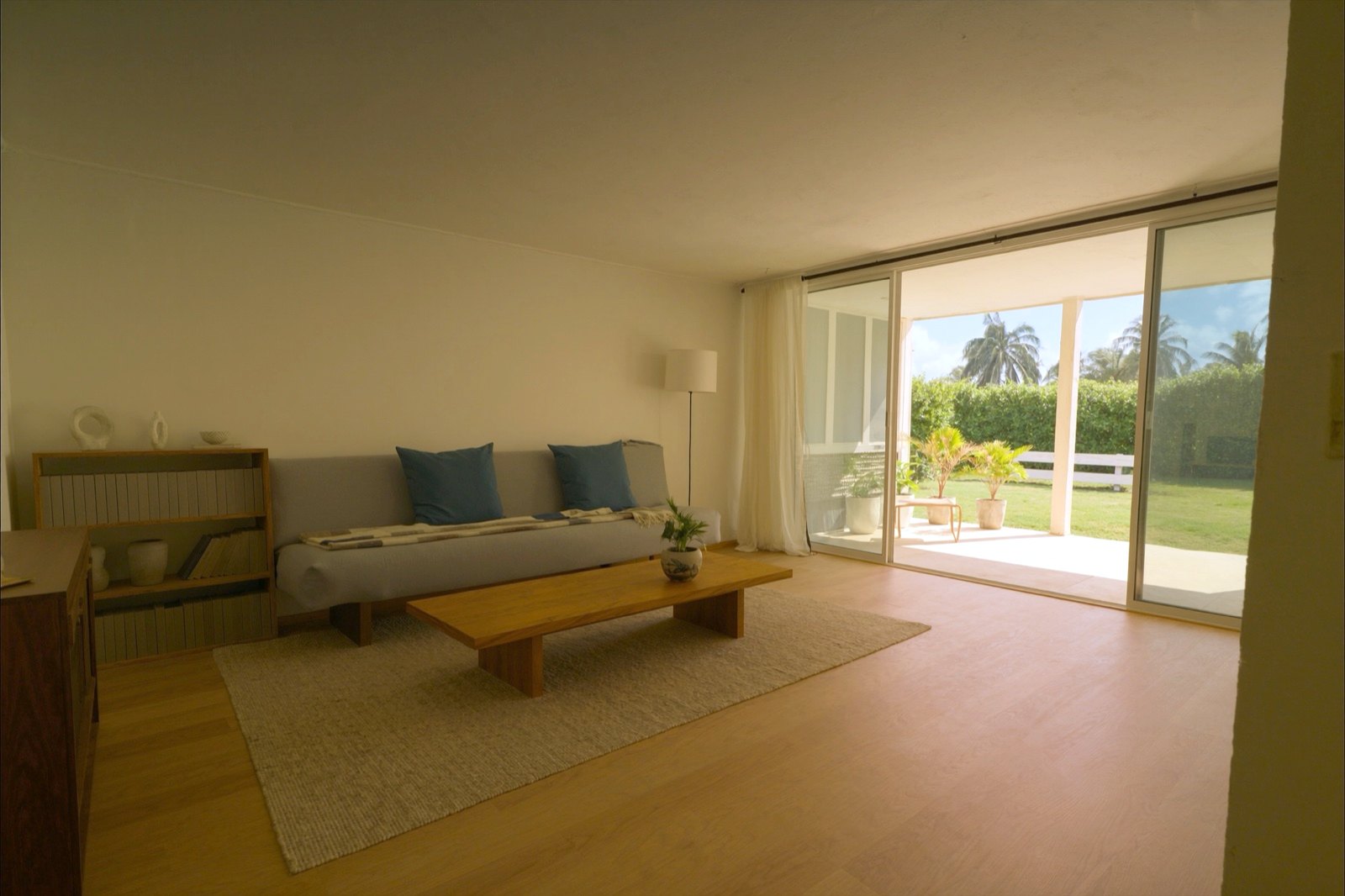
The rules cut both ways (HRS 521-73). A tenant who unreasonably refuses access can be liable for the damage that causes. Push too hard, though, and it can backfire. If you keep demanding unreasonable entry, or go in unreasonably without consent, your tenant may be able to end the lease, and a court can order you to stop and fine you up to $100. You can also be liable for theft or damage from an entry your tenant had refused. There's a practical cost, too. If your likely buyer is an investor who wants a paying tenant in place, a miserable listing period is the quickest way to lose that tenant.
Talk to your tenant before the listing goes live, not after: tell them you're selling, what it means for their lease, and how showings will work. Then agree on a few set showing windows each week, put them in writing, and still give notice for each visit.
The deposit, and who your tenant pays next
The security deposit goes with the tenancy, too. Under HRS 521-44, your buyer is bound by the deposit rules, and you owe the buyer an accounting of every deposit at or before the transfer. The buyer then has 20 days to tell each tenant in writing how much is credited to them. If the buyer skips that notice, the law presumes the tenant paid a deposit of at least one month's rent at the rate charged when they first rented the home, and the buyer is bound by that figure. Our security deposit guide covers the rest.
Your tenant also needs to know who to pay once the house changes hands. Hawaii law requires the landlord to tell the tenant in writing who manages the home and where rent and notices go, keep that current, and the duty carries over to a new owner (HRS 521-43). In practice, give your tenant something in writing at closing that names the new owner or manager and where the rent goes. If your buyer lives off Oʻahu, the same section requires them to name, on the written rental agreement, an agent who lives on Oʻahu.
Who's going to buy it
Sold with the tenant in place, the house suits a buyer who wants a rental, because they're taking over a tenant who's already paying, on the terms you set. A buyer who wants to live there needs it empty. With a fixed-term lease running, they can't move in until it ends; with a month-to-month tenant, they'd still have to give 45 days' notice themselves after closing. So the kind of tenancy shapes who can buy from you, and when.
In most sales, Hawaii requires the seller of a house or condo to give the buyer a signed disclosure statement covering material facts, meaning anything expected to measurably affect the value to a reasonable person (HRS 508D-4). The law names some items specifically, and leases aren't among them, so whether a given lease counts is a judgment call. If the tenant is staying, our advice is to disclose the lease in writing, with the rent, the end date and the deposit, since your buyer will be bound by it.
If you've already moved away
If you're no longer a Hawaii resident, plan for withholding at closing. Under HARPTA, the buyer generally withholds 7.25 percent of the amount realized and pays it to the state. Residents avoid it by giving the buyer Form N-289. Nonresidents may qualify for a few narrower exemptions, or can apply at least 10 working days before closing to reduce or eliminate the withholding with Form N-288B, for example when the sale won't produce a gain. The withholding isn't the final tax bill. If more is withheld than you owe, you get the difference back when you file your Hawaii return. If you're a foreign person for federal tax purposes, FIRPTA adds federal withholding, generally 15 percent of the amount realized, with lower or no withholding in some sales to buyers who'll live in the home. Talk to a CPA before you sign a listing agreement. Our guide to Hawaii rental property taxes covers the nonresident basics, and if military orders are behind the sale, our PCS guide works through the rent-or-sell decision.
Which sale are you making?
So, back to that three-bedroom house. You can sell it with the tenant there, or you can sell it empty if the tenancy lets you get there in time. Before you list, take another look at the lease and decide whether selling with the tenant in place makes sense for you. If you need the house vacant, work out the timeline before it goes on the market.
And if what you're really tired of is being the landlord, selling isn't the only way out. Handing the day-to-day to a manager is another, and our guide to switching property managers on Oʻahu explains how that works with a tenant in place.
Common questions
Does my tenant get the first chance to buy?
Not under Hawaii state law, in an ordinary sale. The landlord-tenant code gives tenants no special right to buy. The one state rule we found is narrow: when a developer converts an existing building into condominium units, with some exceptions, each unit must first be offered to the person living in it, if they commit in writing to making it their home and put down a deposit (HRS 514B-98). Otherwise, a tenant's right to buy comes from a contract, such as an option in the lease or a separate agreement, so check the paperwork before you list.
What if my tenant doesn't leave when the notice runs out?
A tenant who stays past the termination date without your consent can owe up to twice the monthly rent, prorated by the day, under HRS 521-71. You can bring a summary possession case at any time in the first 60 days of the holdover. If you don't, and there is no new rental agreement, a month-to-month tenancy at the old rent takes hold after those 60 days. Our eviction guide covers the process.
Talk to us before you list
If you own a long-term rental on Oʻahu and you're thinking about selling, talk to us before the notice goes out or the listing goes up. We'll go through the property with you, including what keeping it under management would look like. Call (808) 427-7778 or contact us.
Sources
- HRS 521-45, the buyer's liability under the rental agreement; HRS 521-8, definition of landlord; HRS chapter 521 contents.
- HRS 521-71, termination of tenancy and holdover; HRS 521-53, access; HRS 521-73, remedies for abuse of access; HRS 521-74, retaliatory evictions; HRS 514B-98, offering converted condominium units to occupants.
- HRS 521-44, security deposits on a transfer; HRS 521-43, disclosure of owner and manager, and the on-island agent.
- HRS 508D-4, the seller's disclosure statement; HRS 508D-1, seller disclosure definitions.
- DCCA Office of Consumer Protection, Handbook for the Hawaii Residential Landlord-Tenant Code, on a sale during a lease and on fixed-term rentals.
- Hawaii Department of Taxation, Tax Facts 2010-1, "Understanding HARPTA" (revised April 2025); IRS, FIRPTA Withholding.
This article is general information for rental property owners and is not legal or tax advice. It describes Hawaii law as it stood on the date of writing. Your lease and your purchase contract govern your own sale. For a specific situation, consult a Hawaii attorney or a tax professional.


