
Owner Education / Tenant Placement
How to Attract Long-Term Tenants
Turnover is the most expensive habit a rental can have. Eight things that make good tenants arrive, and stay.
Key Takeaways
- Match the listing to what the property genuinely offers. Describe the home and its features, never the kind of person you picture living there.
- Transparency is a filter, not a risk. Rent, deposit, lease term and pet policy stated upfront remove the applicants who were never going to proceed.
- Presentation compounds. Good photos and a genuinely move-in ready home signal an attentive owner, and attentive owners keep tenants longer.
- Screen every applicant against the same written criteria. Consistency is both better selection and your fair housing protection.
If you are spending more time on showings and screenings than on the returns, the problem is usually not the market. It is that each tenancy is set up in a way that quietly encourages the tenant to leave. Vacancy, turnover cleaning and re-listing are the most expensive line items a small portfolio has, and they are largely self-inflicted.
The fix is unglamorous: market the property accurately, present it properly, and make the process easy. Here are eight things that measurably help.
Getting Found
Market the property, not a person
1. Start with what the property actually suits. A studio near the medical center, a three-bedroom with a yard, and a top-floor condo with no lift each serve different practical needs. Describe those features plainly, so the people for whom they matter can self-select.
Worth being careful here
It is tempting to write an advert aimed at the tenant you imagine, but fair housing law prohibits expressing a preference based on protected characteristics, and familial status is one of them. "Perfect for a young professional" or "ideal for a family" are the kind of phrases that create exposure. Describe the home. Let applicants decide whether it fits them, and screen everyone against the same written criteria.
2. Write like someone lives there. Features alone do not persuade. "Has a lanai" is information; "morning coffee on the lanai before the street wakes up" is a picture. Use concrete, honest description in your property advertisement, and do not describe anything the property does not have.
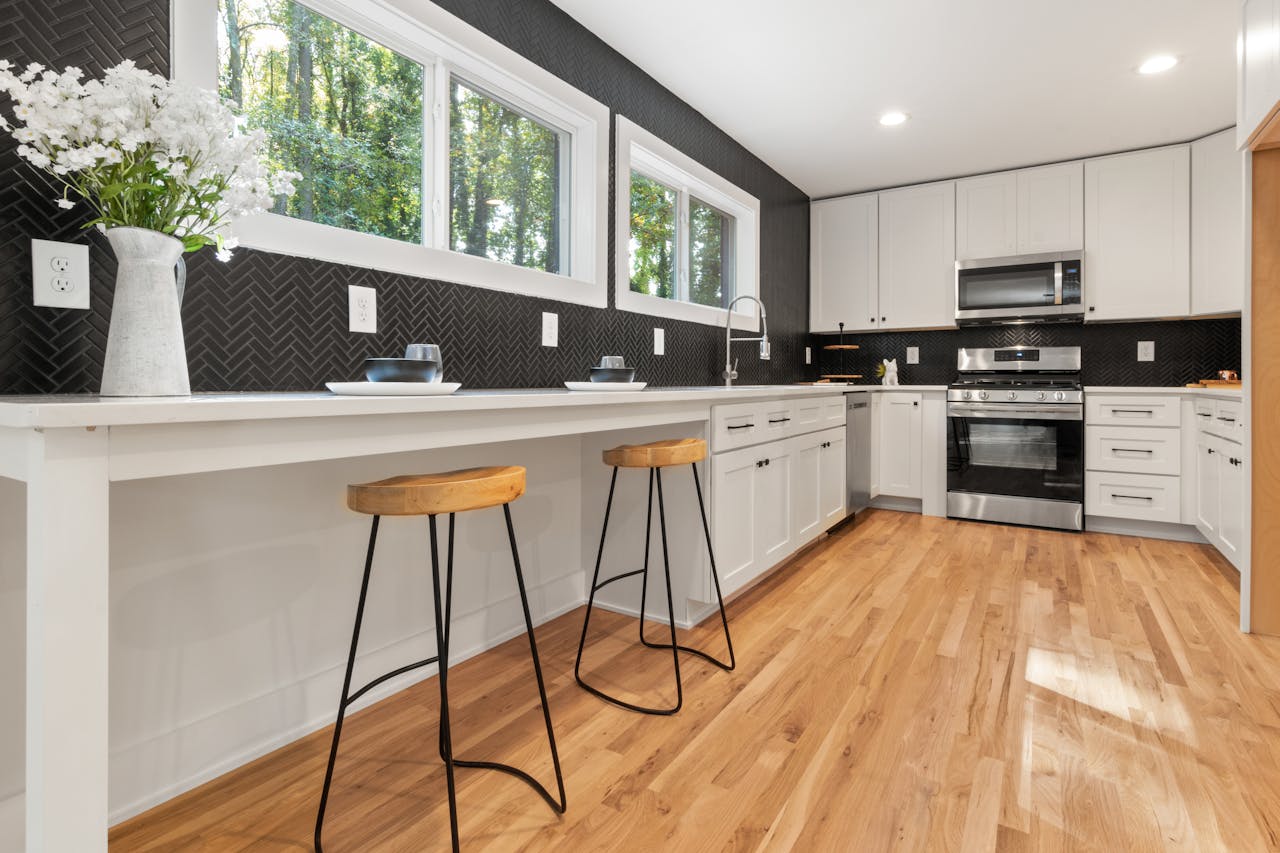
3. Invest in the photos. Listing images are the first handshake. Bright, clear, uncluttered photos communicate an attentive owner before a word is read, and poor ones cause strong applicants to scroll past a property that would have suited them. A professional real estate photographer is the reliable option. If you shoot it yourself, use daylight, clear every surface, and keep your verticals straight.
4. Show the neighborhood. A tenant is choosing a location as much as a floor plan. A short, factual section on what is genuinely nearby, the walk to the beach, the bus route, the market on the corner, helps someone picture staying rather than passing through.

The Process
Make it easy to say yes
5. Be transparent to the point of bluntness. State the rent, the deposit, the lease term, and any pet or smoking policy in the advert itself. This costs you nothing and removes applicants who were never going to proceed. Setting the rent number itself is its own exercise, covered in pricing your Honolulu rental.
6. Market a genuinely move-in ready home. Professionally cleaned, freshly painted where it needs it, and with the small faults fixed: the dripping tap, the sticking cabinet, the bulb that has been out since the last tenancy. A tenant who moves in without a snag list starts the relationship in credit, and keeping it that way is what keeps them.
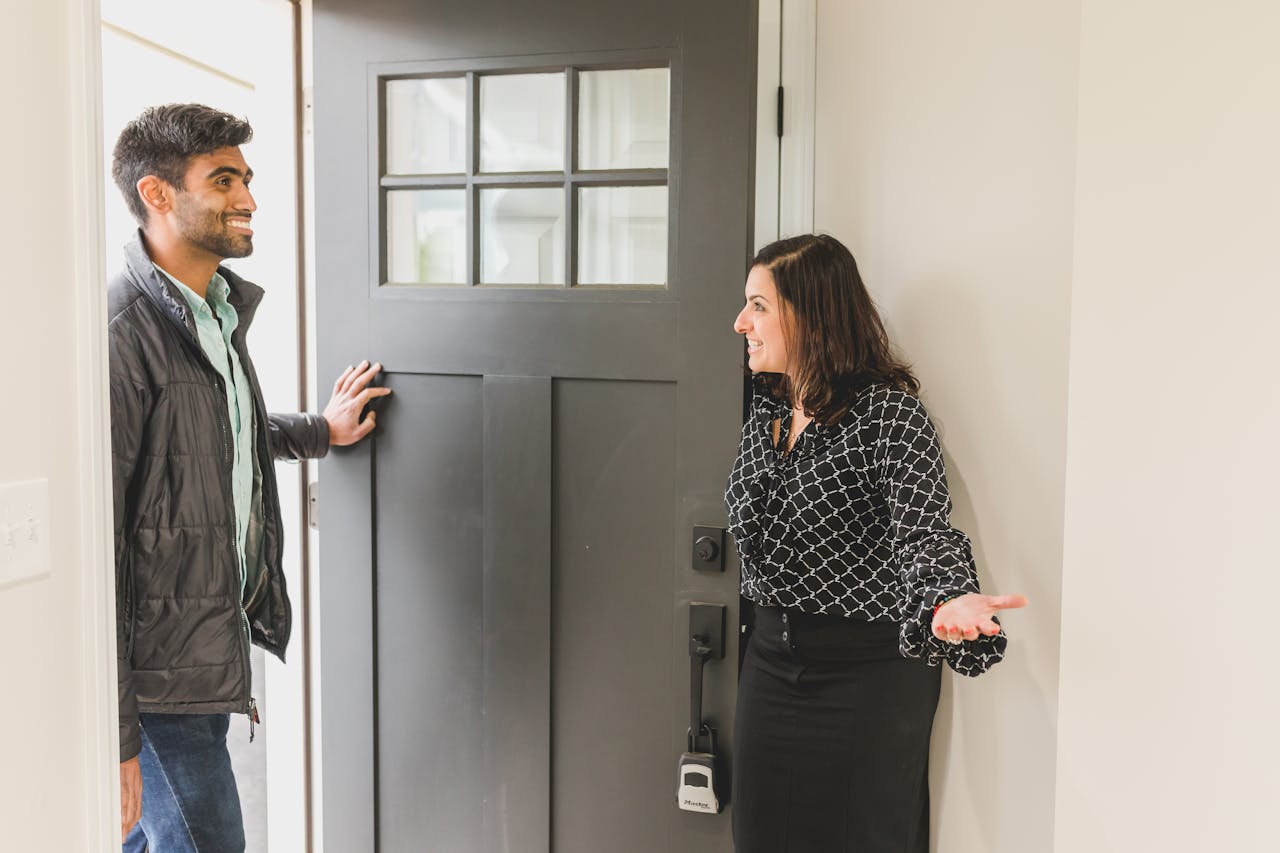
7. Keep the application short and quick. Strong applicants usually have options. A simple digital form, a clear list of required documents, and a realistic timeline keep them engaged. Acknowledge every application promptly, including the ones you decline.
8. Be the landlord they can reach. Reply quickly, arrive on time, answer questions honestly including the awkward ones. Much of what makes a tenant choose one property over an equivalent one is simply which owner seemed easier to deal with for the next two years.
Quick Answers
Frequently asked questions
How do I attract tenants who actually stay long term?
Market the property honestly and completely, present it move-in ready, and make the application process quick and clear. Tenants who arrive with accurate expectations and a good first experience are the ones who renew.
Can I advertise for a particular type of tenant?
No. Fair housing law prohibits expressing a preference based on protected characteristics, which include familial status, race, religion, sex, disability, national origin and color. Describe the property and its features rather than the person you imagine living there, and screen every applicant against the same written criteria.
Are professional photos worth it?
Usually yes. Listing photos are the first impression, and poor ones cause good applicants to skip a listing entirely. If you shoot them yourself, use daylight, clear every room of clutter, and keep the framing straight.
Should I put the rent and deposit in the advert?
Yes. Stating rent, deposit, lease term and pet or smoking policy upfront filters out applicants who were never going to proceed, and it saves you showings that were never going to convert.
Does a faster application process really matter?
In a competitive market strong applicants usually have more than one option. A simple digital form, a clear document list and a realistic timeline keep them engaged rather than drifting to a landlord who replied first.
How Hawaii Coastal Property Management fits in
Doing all eight of these consistently, for every vacancy, is what a management company is actually for. We handle the marketing, the photography brief, the showings and the screening, applying the same written criteria to every applicant so the selection is both better and defensible.
Island roots, mainland precision.
This article is general information, not legal advice. Fair housing obligations apply to advertising and screening; consult a Hawaii attorney for a specific situation.


