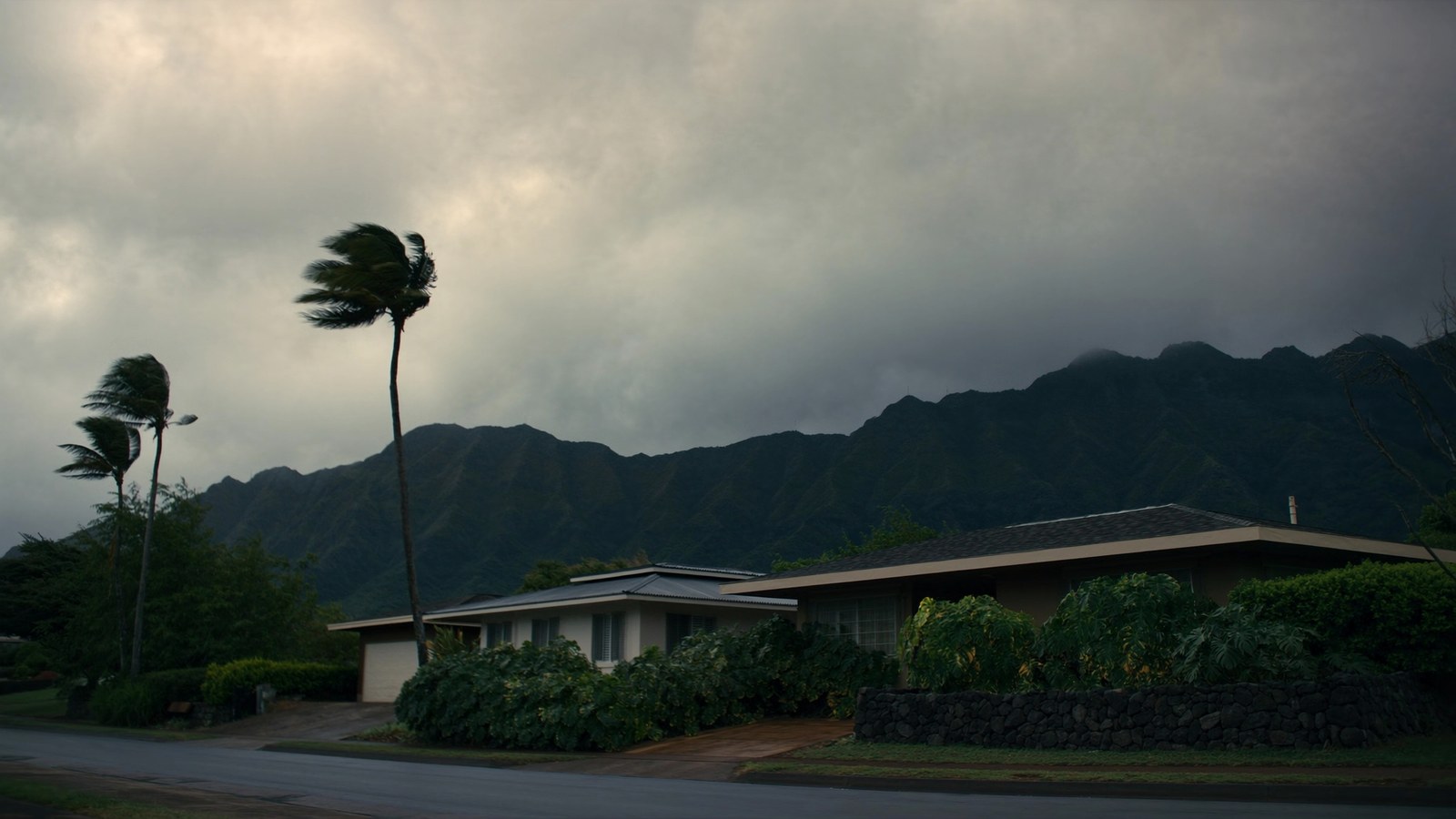
Owner Education / Storm and Insurance
Hurricane Season and Storm Damage for Oʻahu Rental Owners
What happens to the rent, how fast repairs have to start, and what your policy and your condo association have to do.
The short answer
When your tenant tells you the power, the plumbing or something else the home needs is out, you have three business days to get the work started. That deadline does not wait for your insurance company. If part of the home cannot be used and your tenant stops using it, the rent comes down while it is being fixed. Your insurance agent can tell you what your policy covers and how much your deductible is. Ask about both before the season.
Key takeaways
- The law gives you a deadline to start repairs, and it does not wait for the insurance adjuster.
- You have three business days to start on electrical, plumbing and anything else the home needs to stay livable. Your tenant's call starts the clock.
- If your tenant has to stop using part of the home, they owe less rent. Work out how much less, in writing.
- Know your hurricane deductible in dollars before June. In a condo, get the association's deductible too.
Four situations after a storm
Here is what to do in each case.
| Situation | What to do |
|---|---|
| The power or the plumbing is out | Start the repair. You have three business days for anything the home needs to stay livable, and your tenant's call starts the clock. |
| Part of the home cannot be used | Once your tenant stops using that part, they owe no more than what the rest of the home is worth. Put the new rent in writing. |
| The damage might be an insurance claim | Photograph it before anyone cleans up, note how and when it happened, and compare the repair cost with your deductible. |
| You own a condo unit | Get the association's deductible, and ask your agent whether your policy would pay it if you are charged. |
What happens to the rent
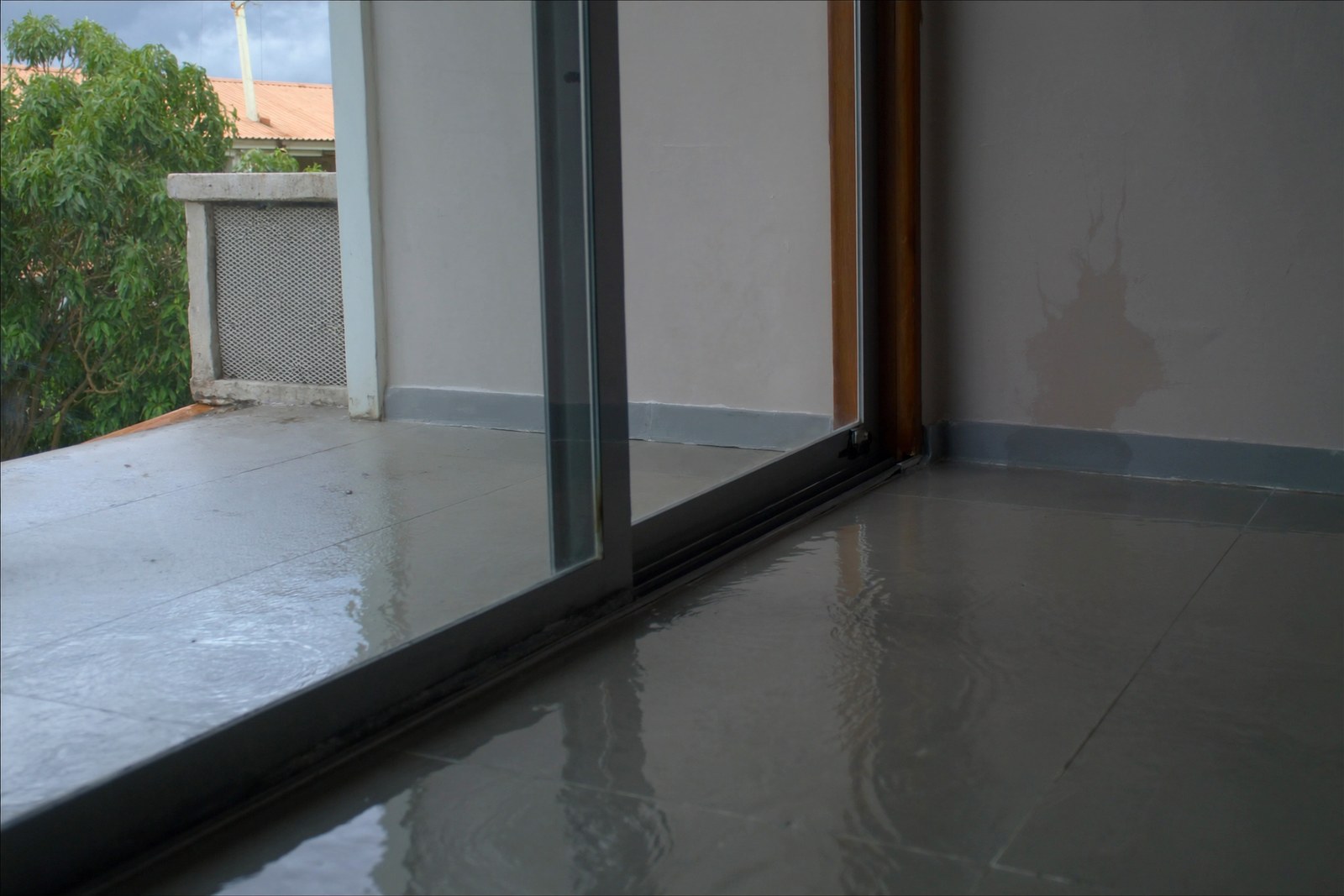
Say wind takes part of the roof and one bedroom is out of use for three weeks. Your tenant does not have to keep paying full rent for a home they cannot fully use.
Under HRS 521-65, when fire or another casualty makes part of the home unusable and your tenant did not cause it on purpose, they can stop using that part and then owe no more than what the rest of the home is worth. The law calls that the fair rental value. It tells you the most you can charge, not what the new rent should be.
The rent does not change by itself. If nobody works out a figure, your tenant keeps paying full rent and you argue about it later. Settle it in writing while the repair is going on.
Do not let the insurance claim delay necessary repairs
HRS 521-64 gives you a deadline to start the work, not to finish it. For electrical, plumbing and the other things a home needs to be sanitary and livable, you have three business days from your tenant's notice, and it does not have to be in writing. A phone call is enough.
The same section sets two other deadlines for problems that come up less often after a storm. Our maintenance guide has all three.
If you cannot start in time, tell your tenant why and give them a reasonable date when the work will begin. A contractor who cannot get there for a week is a fair reason.
Miss the deadline and your tenant can have the work done and take it off the rent, with receipts, up to $1,000 or one month's rent, whichever is greater.
Write it down the day it happens
Write six things down while they are fresh: the date, the time, where the damage is, whether anyone was living there, how it happened, and when it was found. That is what an insurer will ask for, and getting it down the same day is most of the work.
Then work out whether this is a claim at all. If the repair will cost about what your deductible is, or less, filing gets you nothing, and a price you negotiate with a vendor is usually better. On a property we manage, that is the question we ask first.
Tell your tenant in writing when the work starts, when you expect it done, and the rent for the part of the home they can use.
What to check with your insurance agent
On a property we manage, we work with your tenant and arrange the repairs. What your policy will pay for after a storm is something to confirm with your insurance agent.
Before the season, ask your agent at least two things. First, whether you have hurricane coverage in place, because in Hawaii that usually means a separate policy on top of your homeowners policy. Second, what your deductible is in dollars. Hurricane deductibles here are usually a percentage, so ask what amount the percentage is based on. It is also fair to ask your agent to go through the policy for gaps.
If you own a condo
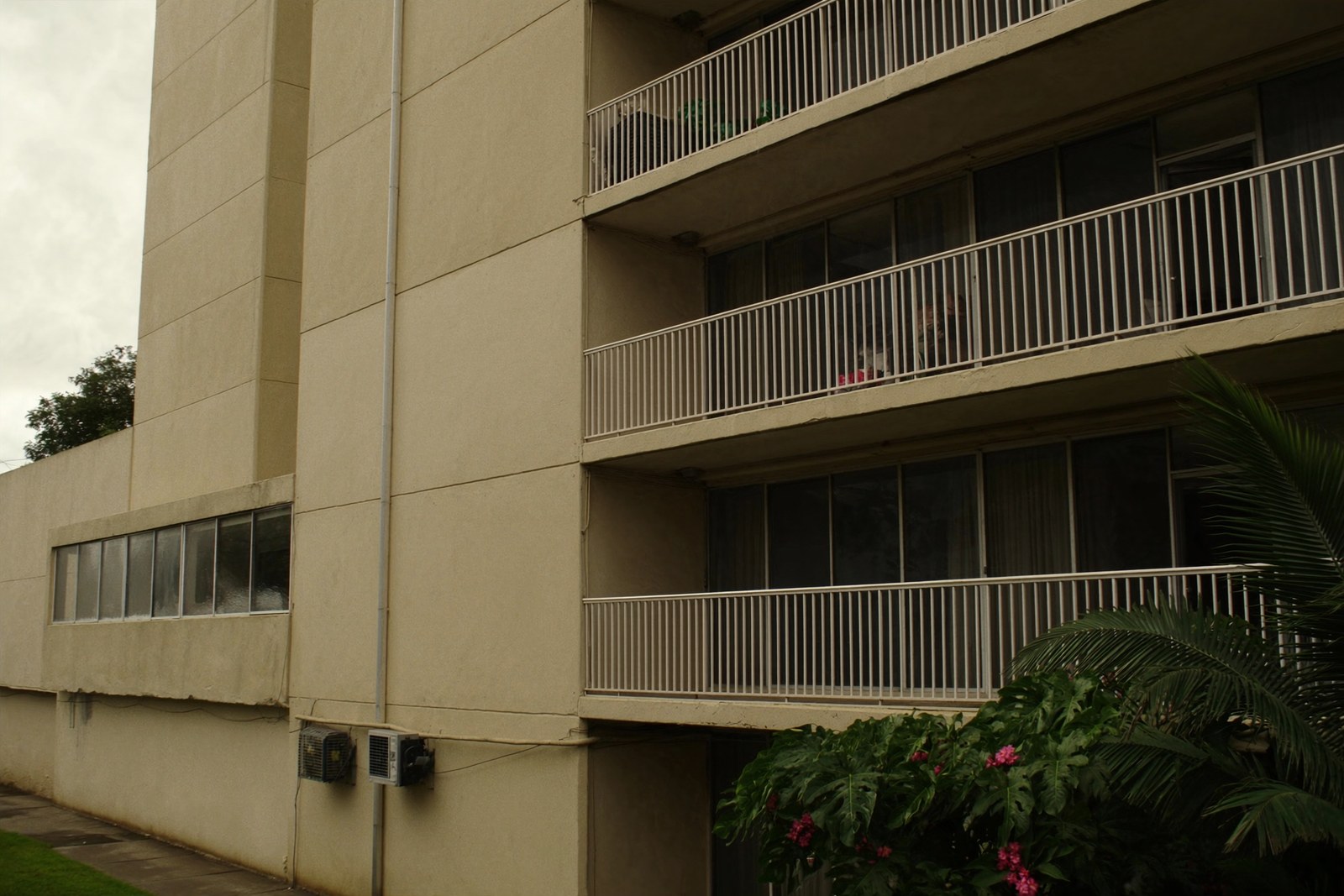
The building is not yours to claim on. Under HRS 514B-143 your association insures the common elements, and in a building with attached units the units too, so far as that coverage is reasonably available. It handles the claim and receives the money.
That leaves you the inside of the unit. The association's policy does not have to cover what you installed yourself: fixtures, appliances, air conditioning, water heaters and built-in cabinets.
If your unit is one of the ones damaged, the board can make you pay the association's deductible. There is no hearing first and no cap in the law.
Ask the board or managing agent for the master policy deductible. Then ask your own agent whether your policy would pay it if you are charged. DCCA says some owner policies cover that and some do not. If yours does not, you may have to pay it yourself. Our condo management page has more.
Before the season starts
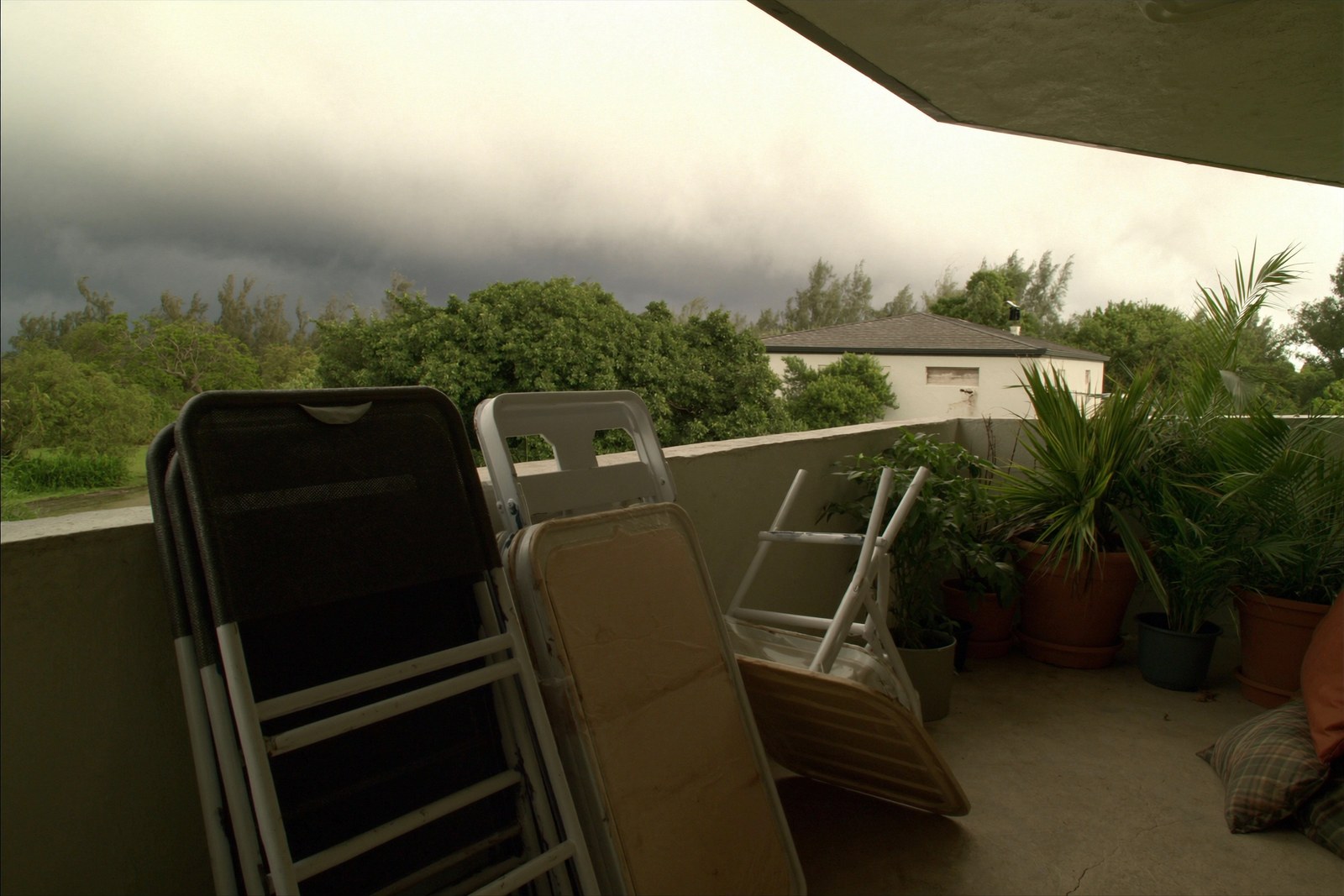
Central Pacific hurricane season runs June 1 to November 30, so May is the time to get ready.
Give whoever manages the property a second name who can approve an emergency repair when you cannot be reached. If a storm takes your phone service out, that name keeps the repair moving. Get a record of the home's condition now, so a photograph taken later has something to compare with. Our inspections produce that record, done by a team member or the tenant.
Common questions
Can I start repairs before the adjuster has seen the damage?
Yes, for the work that keeps the home livable and stops the damage spreading. The three business days in HRS 521-64 run from your tenant's notice, whatever your insurer is doing. Photograph everything first. Permanent repairs are different. If you are filing a claim, the state Insurance Division says not to begin them until the adjuster has inspected the damage or your insurer tells you to go ahead.
What if the whole home cannot be used?
Your tenant can move out. Under HRS 521-65 the lease ends the day they leave, as long as they tell you within a week. If they do not, rent runs until you find out. HRS 521-63 also lets a tenant leave with no notice when a home is not fit to live in, or there is an immediate threat to someone's health or safety.
Does a named storm decide which deductible applies?
No. The Insurance Commissioner told insurers in August 2026 that a hurricane watch, a warning or a named storm does not by itself decide which coverage or deductible applies. Your policy and the facts of the damage decide it. If you are not told which part of the policy a decision rests on, ask. The memo says the insurer should tell you.
Talk to us before the season
If you own a long-term rental on Oʻahu and you are not sure what your deductible is, or who can approve an emergency repair when you cannot be reached, settle it before June. Call (808) 427-7778 or contact us and we'll go through the property with you.
Sources
- HRS 521-65, tenant's remedies for fire or casualty damage; HRS 521-64, repair timelines and the repair-and-deduct remedy; HRS 521-63, termination where the unit is uninhabitable.
- HRS 514B-143, condominium insurance and deductible allocation; DCCA Real Estate Branch, "Insurance Policies, Types" (May 2025).
- Hawaii Insurance Division, "Frequently Asked Questions on Hurricane Insurance" and the Division's 2025 homeowner premium comparison, for hurricane cover and percentage deductibles; Commissioner's Memorandum 2026-7A, Hurricane Lala claims.
- Central Pacific Hurricane Center, season dates.
This article is general information for rental property owners and is not legal or insurance advice. It describes Hawaii law as it stood on the date of writing. The terms of your own policy govern your coverage. For a specific situation, consult a Hawaii attorney or a licensed insurance professional.


